What are the main challenges you face in the preservation and renovation of historic buildings, and how do you ensure the original architectural integrity is respected?
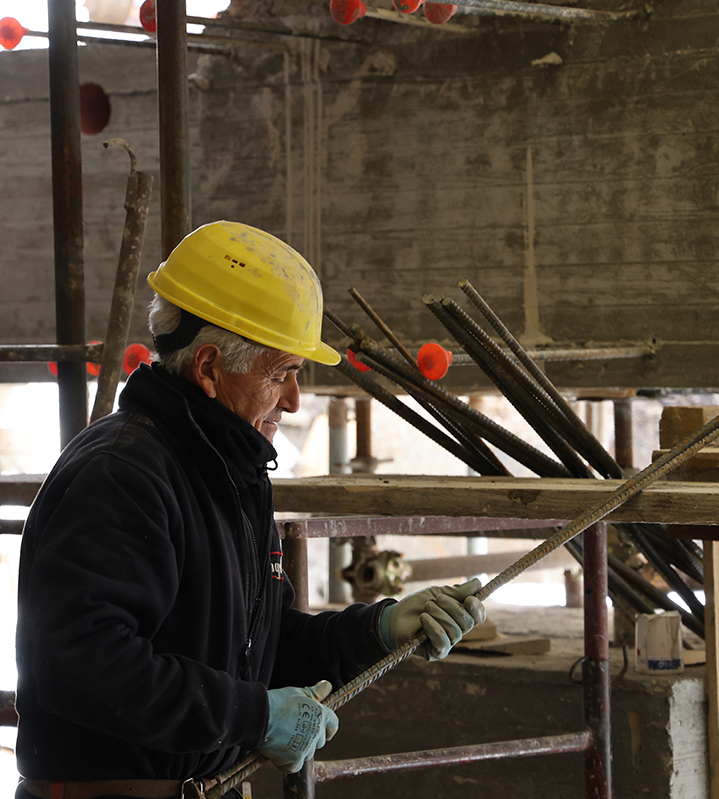
The main challenge is gaining a detailed understanding of the property in which we are called to intervene. We conduct a thorough study of the historic buildings—valuable heritage that embodies the art, culture, beauty, and history of our country—before starting any work. This process is carried out in close collaboration with the best experts in the field. Then it’s Sepe Group’s turn to get to work, but always with great caution and respect for the buildings and structures we have inherited from our forefathers. The skill and competence of my colleagues are a guaranteed assurance of a final result that, of course, must be perfect to preserve the original integrity of the building.
Could you tell us about a particularly significant restoration project and the traditional techniques or materials you used to preserve the building's authenticity?
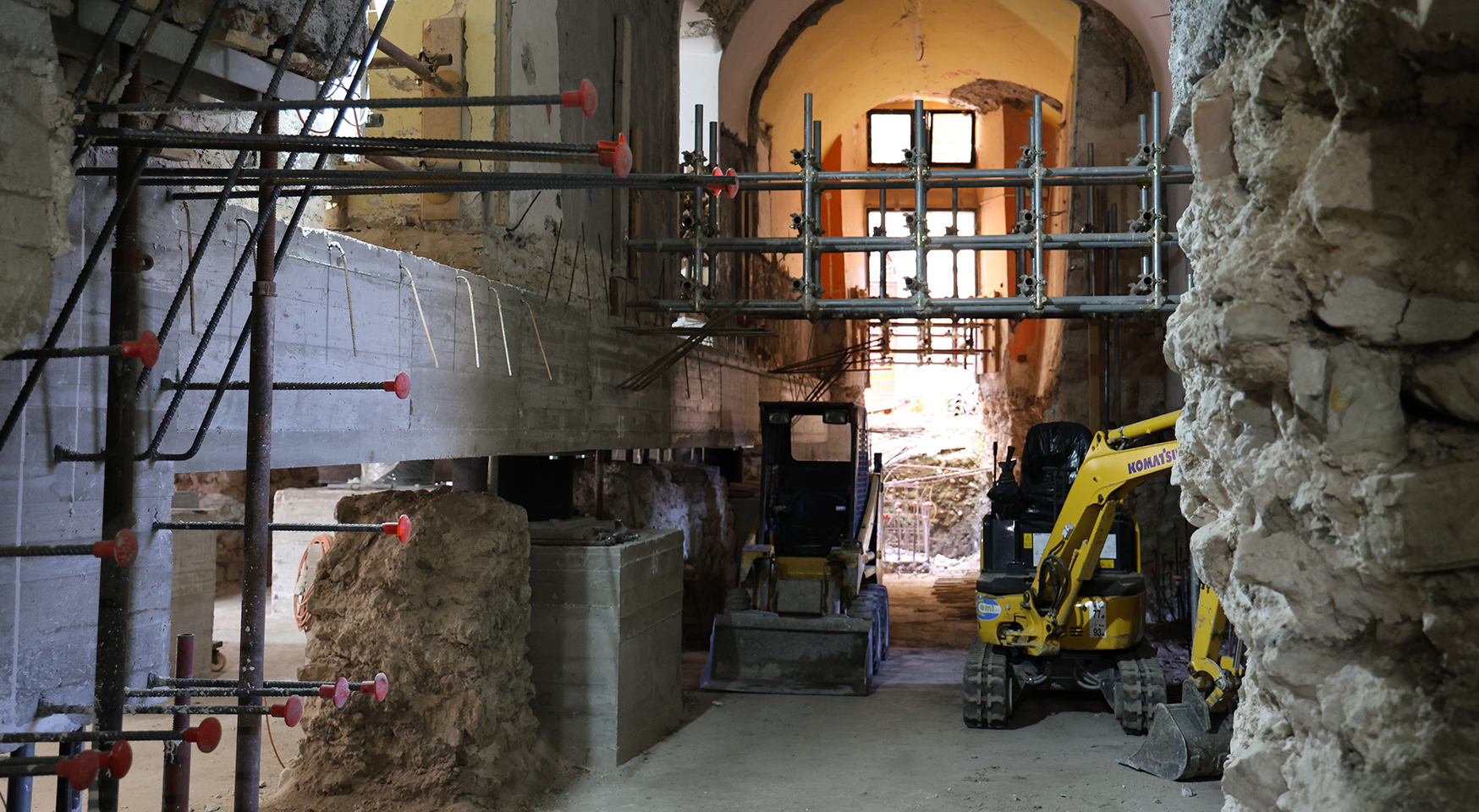
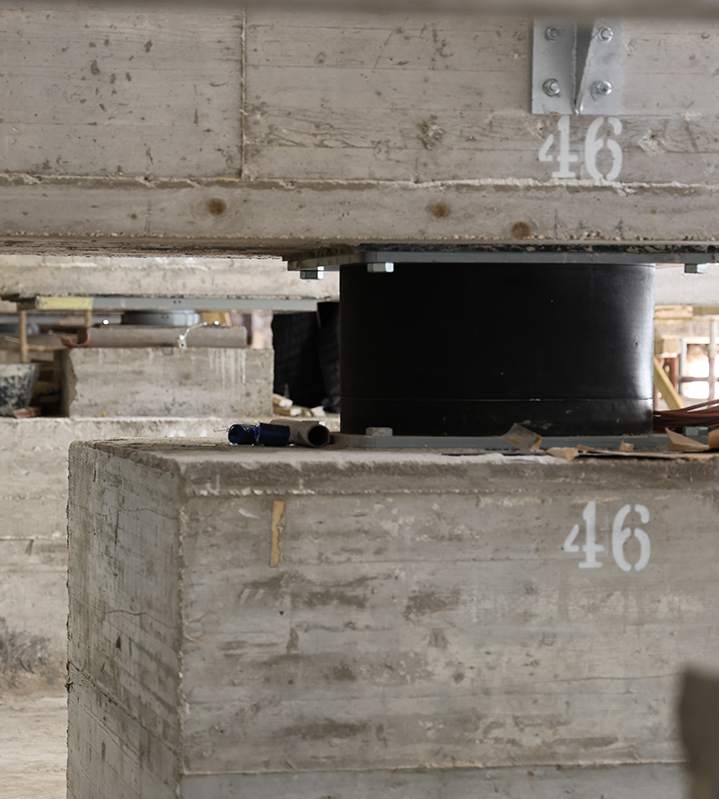
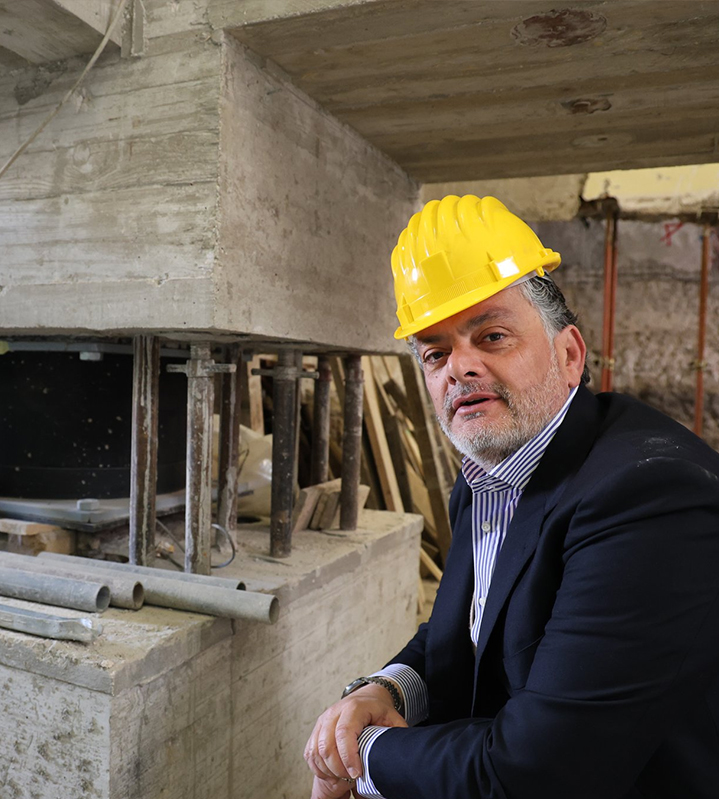
Our most remarkable reconstruction and restoration project is undoubtedly the work on Norcia's Communal Palace in the province of Perugia. Dating back to the 1300s, the building was severely affected by the earthquakes that shook central Italy in 2016. Sepe Group was called to restore the historic town hall among other tasks. The intervention was incredible; we replaced the old foundations with 27 seismic isolators, essentially placing the entire building on springs, to simplify. We also restored the external facade and all internal rooms. Traditional materials were used for each type of intervention, but the difference lies in the technique used to apply the seismic isolators.
How do you balance modern safety and functionality requirements with the preservation of a building's historic and architectural appearance?
Ancient and traditional face with a modern and safe soul’—this is the motto that guides us in every project we undertake to restore historic buildings. We must find the right balance between maintaining the original external appearance, which must remain unchanged, and the need to ensure safety. New technologies and materials certainly make a significant difference, but it’s equally important to know how to use them with expertise. In this case, human intervention remains essential to achieve the exceptional outcome of a truly remarkable restoration.
What role does sustainability play in your restoration projects?
Sustainability is a term that has become very popular in recent years. It encompasses various aspects, each with different meanings, such as environmental sustainability, energy, and even economics. While the goal is to balance all these aspects as effectively as possible, in the construction industry, one factor should take precedence above all others: safety. Our approach to sustainability is centered on ensuring the utmost safety of the buildings we are entrusted to restore.
In particular, seismic-resistant construction is a key sector for Sepe Constructions. By utilizing advanced materials and technology, the agency is able to create buildings that efficiently withstand seismic forces. This capability not only ensures the safety of its occupants but also protects historic structures from damage, safeguarding our cultural heritage.